Manual.ly Logo

Milwaukee M18 BPFP-CST Switch Tank Manual

0,0 · 0 Valoraciones

Manual en PDF · 77 Páginas

Español

M: QW-35-FL
página

/ 77

Loading...
c4074dd3734766d1ff50ecc8201c0e9eb7aa page 15
4140
M18 BPFPH M18 BPFP M18 BPFP
-CST -WST
........4699 22 03... ...........4917 09 01..... ............. 4917 13 01
...000001-999999 ...000001-999999 ....000001-999999
................... ...........................15 l ...........................15 l
................... .......................... 7,6
................... ........................8,27 bar ................... 4,14 bar
................... .........................827 kPa ................... 414 kPa
................... .........................250 ml ......................250 ml
................... ..........................1,7 mm .................... 1,7 mm
................... ................0,12 / 0,2 mm ..........0,12 / 0,2 mm
............................................................. 2900 min
-1
................................................................. 18 V
................................................................ 4,2 kg
................... ..........................8,6 kg .......................8,7 kg
................... ........................23,6 kg .....................23,7 kg
.......................................................-18...+50 °C
.......................................................M18B2... M18HB12
.....................................................M12-18 ... ; M1418C6
................... .......................... 72 dB(A) .................67 dB(A)
................... .......................... 85 dB(A) .................80 dB(A)
................... ......................... 2,8 m/s
2
...................1,3 m/s
2
................... ......................... 1,5 m/s
2
...................1,5 m/s
2
TECHNICAL DATA BACKPACK SPRAYER
Production code ...........................................................................................
Tank capacity
...............................................................................................
Flow rate........................................................see picture section page 18 *
Spray distance .............................................................................................
Max working pressure ..................................................................................
Pressure inside tank ....................................................................................
Residual tank ...............................................................................................
Mesh size fi ller fi lter ......................................................................................
Mesh size suction fi lter .................................................................................
Engine speed max. ......................................................................................
Battery voltage .............................................................................................
Weight base unit ..........................................................................................
Empty weight (including baseunit, tank, battery 4.0 Ah)..............................
Operation weight (including 15 l fl uid at 20 °C) ...........................................
Recommended ambient operating temperature ..........................................
Recommended battery types .......................................................................
Recommended charger ...............................................................................
Noise/vibration information
Measured values determined according to EN 60745
Typically, the A-weighted noise levels of the tool are:
Sound pressure level (Uncertainty K=3dB(A)) ............................................
Sound power level (Uncertainty K=3dB(A)) .................................................
Wear ear protectors!
Total vibration values (vector sum in the three axes) determined
according to EN 60745.
V
ibration emission value a
h,W
...................................................................
Uncertainty K= ..........................................................................................
* The fl ow rate depends on the spray medium used, the fl ow height and
environmental infl uences such as wind conditions.
Do not leave residue or spray material in the spray tank after using the
product. Clean after each use.
Do not pour hot or boiling liquids into the spray tank. These can weaken
or damage the hose or spray tank.
Do not overfi ll the tank.
Always check for leaks. If any are found, correct them before using the
product.
The spray area must be well ventilated.
Always inspect both the inside and outside of the product before each
use.
Liquids to be sprayed must be as thin as water. Thicker liquids will not
spray properly.
Spray materials may be premixed and poured into the spray tank using
a funnel, if necessary.
Do not spray where spark, fl ame, or other source of ignition is present.
Do not spray in the direction of people or animals. Always spray
downwind.
Do not smoke, eat, or drink while using the product.
Do not discharge directly against skin.
Do not let the spray materials come in contact with skin. If contact does
occur, wash immediately with soap and plenty of water.
Aim the nozzle directly at the plants or objects you intend to spray.
Ensure that the spray materials are directed at an area that will not be
damaged by the spray materials.
Avoid spraying on windy days. The spray materials can be accidentally
blown onto plants or objects that should not be sprayed.
The product may be operated with the spray wand handle resting in the
cradle, or may be removed from the cradle and be held by the operator.
Electric shock hazard. Do not spray towards electrical outlets.
After every use, thoroughly wash your hands and any area where skin
has been exposed to the spray.
Maintain the product. Thoroughly inspect both the inside and outside of
the product and examine the components before each use. Check for
cracked and deteriorated hoses, leaks, clogged nozzles, and missing or
damaged parts. If damaged, have the product repaired before use.
Many accidents are caused by poorly maintained products.
WARNING Read these instructions carefully, be familiar with
the controls and the proper use of the machine. Failure to follow all
instructions listed below may result in electric shock, fi re and/or serious
injury.
Save all warnings and instructions for future reference.
BACKPACK SPRAYER SAFETY WARNINGS
Do not spray fl ammable liquids, such as gasoline, to reduce the risk of
fi re or explosion.
Always follow the chemical manufacturer’s instructions printed on their
product labeling for use, cleaning, and storage. Chemicals should be
stored out of the reach of children.
Do not spray any material where the hazard is not known.
To reduce exposure to spray materials, wear approved safety
equipment, such as face mask designed for spraying, gloves, and other
appropriate protective equipment.
Do not use fl ammable solvents or abrasive cleaning agents to clean the
product.
Keep spray materials away from eyes. If spray materials come in contact
with the eyes, wash them immediately with clean water. If irritation is still
present, immediately seek medical help.
ADDITIONAL SAFETY AND WORKING INSTRUCTIONS
Be aware of any hazards presented by the spray materials. Before using
any pesticide or other spray materials with the product, carefully read the
label on the original container
, study current safety data sheet of the
medium and follow the instructions.
Keep the area clear of all bystanders, children, and pets while spraying.
Ensure that the spray wand is securely connected to the spray wand
handle before using the product. If necessary, use pliers to attach the
spray wand to the spray wand handle.
Remember to properly replace and tighten the spray tank cover after
pouring liquid into the spray tank.
Use only consumer-grade water-based lawn and garden chemicals.
Do not use commercial-grade chemicals or chemicals for commercial or
industrial purposes.
Do not use caustic (alkali) self-heating or corrosive (acid) liquids with the
product. These can corrode metal parts or weaken the tank and hose.
ENGLISH ENGLISH
Remove the battery from the product before draining, cleaning, or
storing to avoid accidental starting.
Mix the chemicals strictly in accordance with the manufacturer’s
instructions. Incorrect mixtures may produce toxic fumes or explosive
solutions.
Never allow children, persons with reduced physical, sensory or mental
capabilities or lack of experience and knowledge or people unfamiliar
with these instructions to use the machine, local regulations may restrict
the age of the operator.
Remove the battery pack before starting any work on the machine.
Do not dispose of used battery packs in the household refuse or by
burning them. Milwaukee Distributors o󰀨 er to retrieve old batteries to
protect our environment.
Do not store the battery pack together with metal objects (short circuit
risk).
Use only System M18 chargers for charging System M18 battery packs.
Do not use battery packs from other systems.
Battery acid may leak from damaged batteries under extreme load or
extreme temperatures. In case of contact with battery acid wash it o󰀨
immediately with soap and water. In case of eye contact rinse thoroughly
for at least 10 minutes and immediately seek medical attention.
Warning! To reduce the risk of fi re, personal injury, and product damage
due to a short circuit, never immerse your tool, battery pack or charger in
fl uid or allow a fl uid to fl ow inside them. Corrosive or conductive fl uids,
such as seawater, certain industrial chemicals, and bleach or bleach
containing products, etc., can cause a short circuit.
SPECIFIED CONDITIONS OF USE
The backpack sprayer is intended for outdoor use in a well-ventilated
area.
M18 BPFP-WST
:
The sprayer is designed for spraying water and may also be used to
water plants.
M18BPFP-CST:
The sprayer is designed for spraying consumer-grade home and garden
chemicals such as:
• Pesticides
• Selective Herbicides
• Non-Selective Herbicides
• Insecticides
• Fungicides
• Fertilizers
This sprayer shall be used only with plant protection products approved
by local/national regulatory authorities for plant protection products.
Do not use the sprayer with fl ammable liquids.
Use only substances approved for use with portable sprayers.
Do not use the sprayers for any purpose not listed above. The sprayer is
not to be used by children or by persons not wearing adequate personal
protective equipment and clothing.
Do not use this product in any other way as stated for normal use.
EC-DECLARATION OF CONFORMITY
We declare as the manufacturer under our sole responsibility that the
product described under “Technical Data” fulfi
lls all the relevant
regulations and the directives 2011/65/EU (RoHS), 2014/30/EU,
2006/42/EC, and the following harmonized standards have been used:
EN 60745-1:2009 +A11:2010
EN ISO 19932-1:2013
EN ISO 19932-2:2012
EN IEC 61000-6-1:2019
EN IEC 61000-6-3:2021
EN IEC 63000:2018
Winnenden, 2022-03-01
Alexander Krug
Managing Director
Authorized to compile the technical fi le
Techtronic Industries GmbH
Max-Eyth-Straße 10
71364 Winnenden
Germany
GB-DECLARATION OF CONFORMITY
We declare as the manufacturer under our sole responsibility that the
product described under “Technical Data” fulfi
lls all the relevant
provisions of the following Regulations S.I. 2008/1597 (as amended),
S.I. 2016/1091 (as amended), S.I. 2012/3032 (as amended) and that
the following designated standards have been used:
BS EN 60745-1:2009 +A11:2010
BS EN ISO 19932-1:2013
BS EN ISO 19932-2:2012
BS EN IEC 61000-6-1:2019
BS EN IEC 61000-6-3:2021
BS EN IEC 63000:2018
Winnenden, 2022-03-01
Alexander Krug
Managing Director
Authorized to compile the technical fi le.
Techtronic Industries GmbH
Max-Eyth-Straße 10
71364 Winnenden
Germany
BATTERIES
Battery packs which have not been used for some time should be
recharged before use.
Temperatures in excess of 50°C (122°F) reduce the performance of the
battery pack. Avoid extended exposure to heat or sunshine (risk of
overheating).
The contacts of chargers and battery packs must be kept clean.
For an optimum life-time, the battery packs have to be fully charged,
after used.
To obtain the longest possible battery life remove the battery pack from
the charger once it is fully charged.
For battery pack storage longer than 30 days:
Store the battery pack where the temperature is below 27°C and away
from moisture
Store the battery packs in a 30% - 50% charged condition
Every six months of storage, charge the pack as normal.
BATTERY PACK PROTECTION
In extremely high torque, binding, stalling and short circuit situations that
cause high current draw, the tool will vibrate for about 2 seconds and
then the tool will turn OFF.
To reset, release the trigger.
Under extreme circumstances, the internal temperatur of the battery
could become to high. If this happens, the battery will shut down.
Place the battery on the charger to charge and reset it.
TRANSPORTING LITHIUM BATTERIES
Lithium-ion batteries are subject to the Dangerous Goods Legislation
requirements.
Transportation of those batteries has to be done in accordance with
local, national and international provisions and regulations.
• The user can transport the batteries by road without further
requirements.
• Commercial transport of Lithium-Ion batteries by third parties is
subject to Dangerous Goods regulations. Transport preparation and
transport are exclusively to be carried out by appropriately trained
persons and the process has to be accompanied by corresponding
experts.
When transporting batteries:
• Ensure that battery contact terminals are protected and insulated to
prevent short circuit.

Chatee con su manual de Milwaukee M18 BPFP-CST Switch Tank usando IA

Obtenga respuestas instantáneas de IA de su manual de Milwaukee M18 BPFP-CST Switch Tank

Pregunte lo que quiera sobre Milwaukee M18 BPFP-CST Switch Tank. Las respuestas provienen de este manual, con las páginas en las que se basan.

M18 BPFP-CST Switch Tank Programa de mantenimiento

Recuérdame cuándo corresponde realizar el mantenimiento
Cada 6 meses
Recargar la batería almacenada

Si el paquete de baterías se almacena durante más de 30 días, cárguelo normalmente cada seis meses.

Mostrar en el manual (página 21)
Después de cada uso
Limpiar la boquilla y el filtro

Retire la boquilla girándola en sentido contrario a las agujas del reloj con la mano. Limpie la boquilla y el filtro después de cada uso.

Mostrar en el manual (página 12)
Después de cada uso
Limpiar los filtros del tanque y el depósito

Limpie el filtro (1), el filtro (2) y el tanque (3) después de cada uso. Los filtros están disponibles como piezas de repuesto.

Mostrar en el manual (página 15)
Antes de cada uso
Inspeccionar el producto en busca de daños

Inspeccione minuciosamente tanto el interior como el exterior del producto y examine los componentes antes de cada uso.

Mostrar en el manual (página 21)
Después de cada uso
Comprobar fugas

Después de cada uso, compruebe todas las partes del producto para detectar fugas. Devuélvalo a un centro de servicio autorizado si se detectan.

Mostrar en el manual (página 22)
Después de cada uso
Limpiar los contactos eléctricos

Mantenga limpios los postes de contacto eléctrico entre la parte inferior del tanque y la base. Retire el paquete de baterías antes de limpiar.

Mostrar en el manual (página 22)

Recordatorios de mantenimiento gratuitos

Según la fecha de compra. Siempre gratis, cancela la suscripción cuando quieras.

Al enviar, aceptas la política de privacidad. Cancela la suscripción con un clic en cualquier correo electrónico.
M: qwen/qwen3.8-flash

Haz una Pregunta

0/1000

¿Recomiendas M18 BPFP-CST Switch Tank?

Sí No

Preguntas frecuentes

A

El agua salada puede corroer las piezas metálicas. Es mejor evitar almacenar líquidos corrosivos dentro de la unidad. Consulte el manual para tipos de fluidos permitidos para prevenir daños en los sellos y componentes internos con el tiempo.

¿Esta respuesta fue útil?

A

Limpie la boquilla y el filtro después de cada uso con agua. Si ocurre obstrucción apáguela inmediatamente desarme las piezas suavemente y enjuague a fondo antes de volver a ensamblar para restaurar los caudales correctamente.

¿Esta respuesta fue útil?

A

Típicamente la batería no está incluida en el paquete de unidad básica solo. Verifique los detalles del embalaje ya que los compradores usualmente necesitan adquirir baterías M18 compatibles por separado para la operación inicial.

¿Esta respuesta fue útil?

A

La unidad soporta hasta 15 litros de volumen de fluido. El llenado excesivo más allá de este límite puede causar fugas o problemas de presión. Siempre observe las marcas de línea de llenado máximo en el tanque transparente.

¿Esta respuesta fue útil?

A

No. No deje residuos químicos en el tanque después del uso. Drene y vacíe el recipiente completamente para evitar corrosión y vapores peligrosos formándose dentro del compartimento sellado.

¿Esta respuesta fue útil?

A

Algunas variantes admiten configuraciones de mochila mientras que otras son unidades independientes. Verifique su número de modelo específico contra la hoja de especificaciones oficial para confirmar las capacidades de montaje.

¿Esta respuesta fue útil?

A

Reemplace los filtros si muestran signos de daño u obstrucción permanente. Inspeccionarlos durante ciclos de limpieza rutinarios para asegurar patrones de rociado ininterrumpidos permanezcan eficientes durante toda la temporada.

¿Esta respuesta fue útil?

M: QW-35-FL

Ventajas y Desventajas

Ventajas

  • Sistema inalámbrico M18 proporciona movilidad sin cables
  • Tanques cambiables previenen contaminación química entre agua y pesticidas
  • Gran tanque de 15 litros minimiza recargas frecuentes durante trabajos grandes
  • Compatible con herramientas existentes del ecosistema de baterías Milwaukee M18
  • Calidad de construcción robusta diseñada para uso profesional y pesado
VS

Desventajas

  • El peso aumenta significativamente cuando el tanque está totalmente cargado con líquido
  • Requiere limpieza profunda regular para prevenir problemas de obstrucción de boquilla
  • Solo acepta productos químicos de grado consumidor no sustancias de fuerza industrial
  • Paquete de batería vendido por separado a menudo significando costo adicional de inversión inicial
  • El manejo químico requiere EPP estricto y atención cuidadosa a las etiquetas
M: QW-35-FL

Producto Especificación

Batería

18 V, Li-Ion

Capacidad del tanque

14,99 L

Presión de trabajo

8,27 bar

Peso

3,60 kg (sin batería)

Contenido del paquete

cargador y batería no incluidos, incluye 2 boquillas, varilla pulverizadora de acero inoxidable

M: QW-35-FL

Producto Descripción

Experiencia de Libertad Inalámbrica

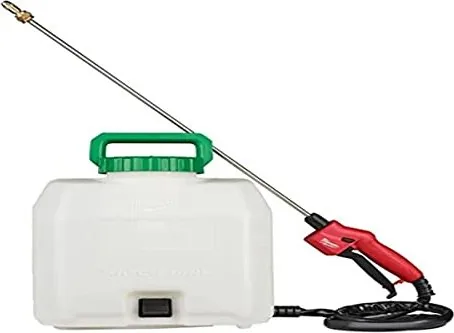
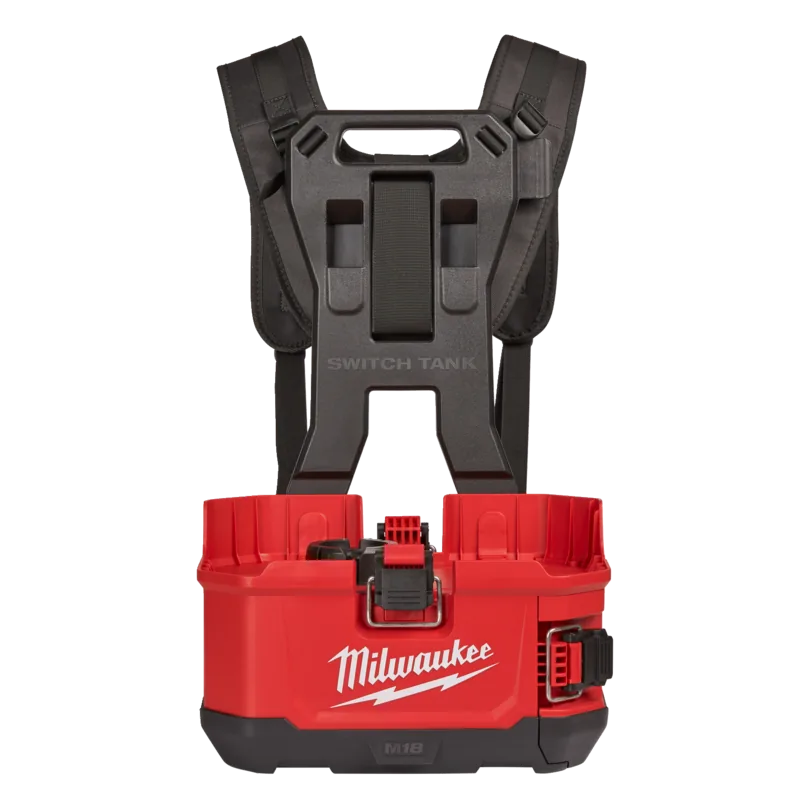
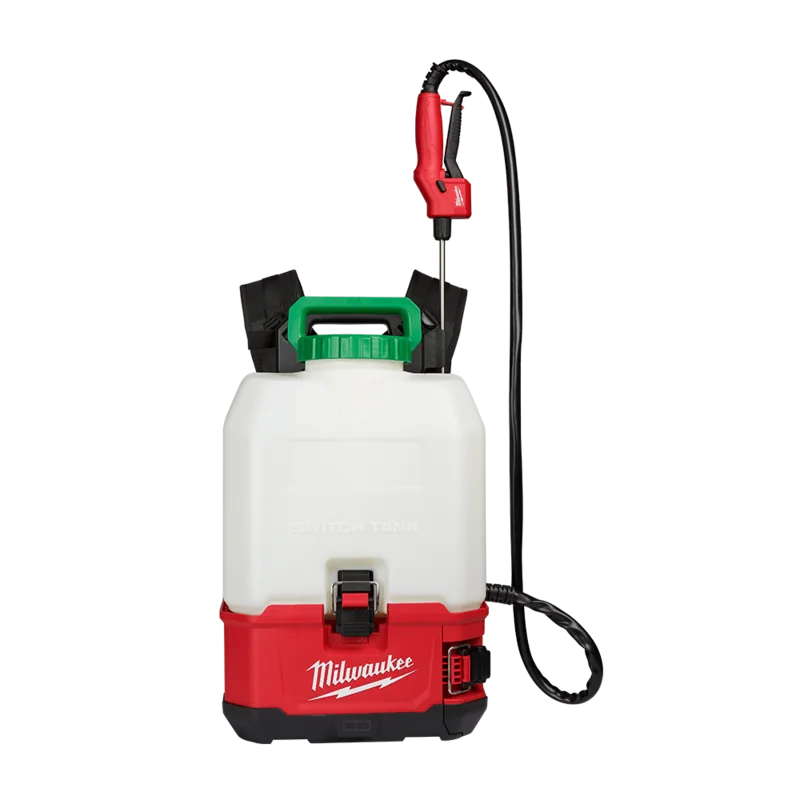
Trabajar en su propiedad exige equipos confiables que se adapten a varias tareas. El Manual del Aspersor de Presión Inalámbrica Milwaukee M18 BPFP-CST Tanque Intercambiable Solo sirve como un recurso vital para comprender esta máquina versátil. Diseñado tanto para propietarios de viviendas como para profesionales, esta unidad ofrece ventajas significativas sobre los aspersores eléctricos o de gasolina tradicionales. La innovación principal radica en su capacidad para manejar diferentes fluidos eficientemente. Al cambiar entre tanques dedicados, los usuarios pueden gestionar productos químicos domésticos junto con aplicaciones de agua pura sin riesgos de contaminación cruzada. Esta flexibilidad la convierte en una adición esencial para cualquier colección de cobertizo o garaje.

Principios de Seguridad Primero

Operar maquinaria pesada requiere diligencia. La documentación proporcionada enfatiza retirar el paquete de batería antes de comenzar cualquier trabajo. Esta precaución evita el inicio accidental durante el mantenimiento o la limpieza. La ventilación es crítica al aplicar pesticidas o fungicidas. Nunca rocíe cerca de llamas abiertas o fuentes de chispas. Los usuarios también deben usar equipo de protección personal aprobado como guantes y protección ocular. Seguir estas pautas protege al operador y preserva el medio ambiente. Es vital respetar las regulaciones locales sobre el almacenamiento y eliminación de productos químicos para mantener el equilibrio ecológico mientras se realiza el trabajo efectivamente.

Mantenimiento y Cuidado

La longevidad depende del cuidado adecuado. Después de cada aplicación, limpie la boquilla y el filtro a fondo para prevenir obstrucciones. El líquido residual debe almacenarse en envases originales o recipientes designados para cumplir con las regulaciones. Los tanques requieren lavado con agua tibia y detergente suave ocasionalmente. No use limpiadores abrasivos o líquidos calientes que puedan dañar las mangueras. El almacenamiento debe ocurrir en un lugar fresco y seco lejos de niños. La inspección regular de sellos y juntas garantiza un rendimiento óptimo con el tiempo. Abordar problemas menores temprano previene reparaciones costosas después.

Solución de Problemas y Rendimiento

Los datos técnicos indican una presión de trabajo máxima adecuada para diversas necesidades agrícolas. Los caudales se ajustan según la viscosidad del fluido utilizado. La capacidad de 15 litros reduce las interrupciones de recarga durante trabajos grandes. Los niveles de ruido se monitorean para garantizar la comodidad del operador durante el uso prolongado. Usar baterías de alta capacidad extiende significativamente el tiempo de ejecución para propiedades grandes y diseños complejos. Problemas comunes como baja presión generalmente indican una batería baja o bloqueo. Entender estas métricas ayuda a seleccionar las puntas de accesorio correctas para cultivos o áreas específicas. La entrega de presión constante garantiza una cobertura uniforme en céspedes o camas de jardín. Confiar en la ingeniería detrás del Manual del Aspersor de Presión Inalámbrica Milwaukee M18 BPFP-CST Tanque Intercambiable Solo asegura años de servicio confiable para sus proyectos al aire libre. Diferentes variantes permiten la personalización para tareas exclusivas de agua versus aplicación de productos químicos asegurando que tenga la herramienta correcta para cada situación.

M: QW-35-FL

© Copyright 2026 Manual.ly