
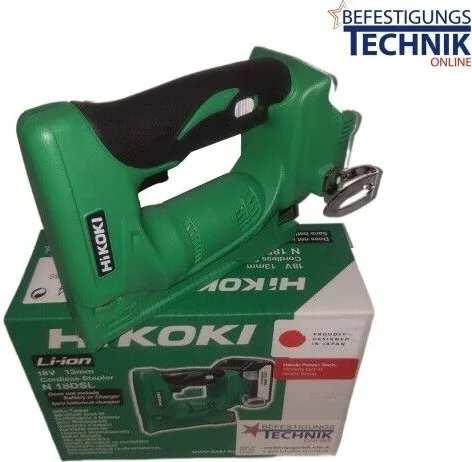
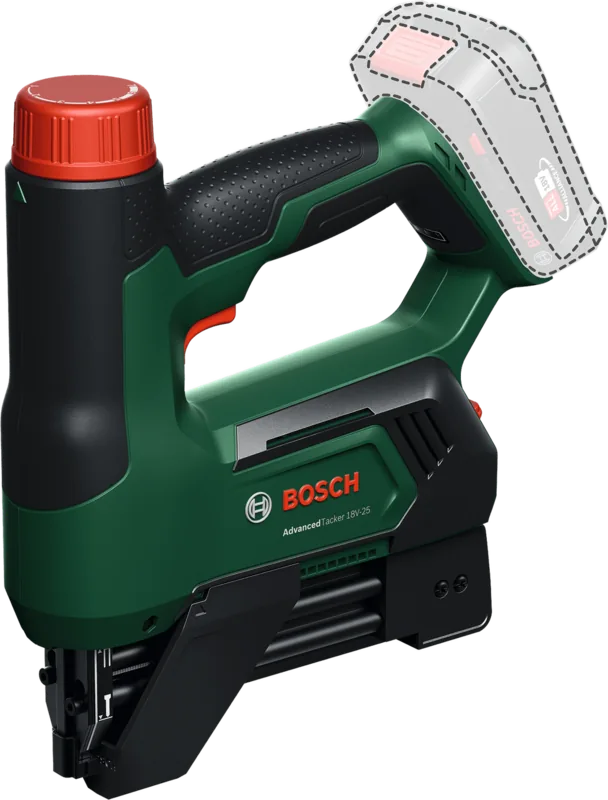
HiKOKI N18DSLW4Z Manual
Manual en PDF · 96 Páginas
Español



Verificación rápida
Respuesta incorrecta, inténtalo de nuevo.
Chatee con su manual de HiKOKI N18DSLW4Z usando IA
Obtenga respuestas instantáneas de IA de su manual de HiKOKI N18DSLW4Z
Pregunte lo que quiera sobre HiKOKI N18DSLW4Z. Las respuestas provienen de este manual, con las páginas en las que se basan.
N18DSLW4Z Programa de mantenimiento
Verifique todos los tornillos de montaje para asegurarse de que estén bien apretados. Vuelva a apretarlos inmediatamente si alguno está suelto.
Deslice el cargador y retire los residuos de adhesivo, fragmentos y astillas que se hayan acumulado en el interior.
Asegúrese de que la palanca de empuje se deslice suavemente. Limpie la zona de deslizamiento si no funciona correctamente.
Si ha estado almacenada durante 3 meses o más, asegúrese de que la batería esté completamente cargada antes de usarla para evitar problemas de carga.
Haz una Pregunta
¿Recomiendas N18DSLW4Z?
Sí NoPreguntas frecuentes
Es una grapadora sin cable. Está diseñada para insertar grapas HiKOKI compatibles en madera y materiales similares, en lugar de clavos convencionales.
¿Esta respuesta fue útil?
Utilice grapas HiKOKI BF1206, BF1210 y BF1213 originales. Las longitudes de grapa compatibles son 6 mm, 10 mm y 13 mm. El uso de otras grapas puede aumentar el riesgo de atascos y daños en la cuchilla impulsora.
¿Esta respuesta fue útil?
El modelo N18DSL utiliza baterías de iones de litio de 18 V, incluidas BSL1820 y BSL1840. Compruebe la compatibilidad con su plataforma de baterías HiKOKI existente antes de comprarla.
¿Esta respuesta fue útil?
La denominación solo generalmente significa que la herramienta se suministra sin batería ni cargador. Este formato es útil para usuarios que ya disponen de baterías HiKOKI de 18 V compatibles y equipo de carga.
¿Esta respuesta fue útil?
El cargador admite hasta 150 grapas en una tira unida. La función antibloqueo por falta de grapas detiene el funcionamiento cuando queda poca cantidad, lo que ayuda a evitar disparos en vacío.
¿Esta respuesta fue útil?
Sí. El ajustador modifica la profundidad de inserción hasta 2 mm. Primero pruebe en material sobrante y, después, ajuste una posición de grapa más superficial o más profunda según sea necesario.
¿Esta respuesta fue útil?
Ventajas y Desventajas
Ventajas

- El diseño sin cable de 18 V permite realizar fijaciones móviles sin cable de red.
- El cargador de 150 grapas ayuda a reducir las recargas durante trabajos repetitivos.
- Los modos de disparo único y continuo se adaptan a fijaciones precisas o repetidas más rápidas.
- La profundidad de inserción ajustable permite adaptar el asentamiento de las grapas al material.
- El bloqueo del gatillo, la palanca de contacto y la función antibloqueo por falta de grapas mejoran el control de uso.
Desventajas

- Diseñada para grapas en lugar de clavos convencionales.
- Compatible solo con las grapas HiKOKI BF1206, BF1210 y BF1213 originales especificadas.
- La configuración solo puede requerir una batería compatible y un cargador adquiridos por separado.
- Los materiales duros o finos pueden provocar inserción incompleta, doblado o daños en el material.
- Las zonas del cargador y de guía de la cuchilla requieren limpieza regular para evitar atascos.
Producto Especificación
Bateria
18 V, ion de litio
Tipo de cargador
Grapas (6,10-12,95 mm, 11,94 mm de ancho)
Capacidad del cargador
150 grapas
Caracteristicas
Clip para cinturon, empunadura suave, clip para cinturon
Peso
1,20 kg
Incluye
Sin cargador ni bateria
Producto Descripción
Grapadora sin cable HiKOKI N18DSLW4Z solo - Leer, descargar e imprimir gratis
La grapadora sin cable HiKOKI N18DSLW4Z solo es una práctica herramienta de fijación de 18 V diseñada para trabajos de grapado rápidos y controlados sin la limitación de un cable de alimentación. Aunque suele buscarse como clavadora sin cable, este modelo es una grapadora sin cable diseñada para insertar grapas HiKOKI compatibles en madera y materiales similares. Es adecuada para fijar membranas impermeables transpirables, materiales aislantes y otras capas de construcción ligera.
Su diseño sin cable permite trabajar con flexibilidad en el hogar, taller u obra. La N18DSL utiliza una plataforma de baterías de iones de litio de 18 V y acepta baterías BSL1820 o BSL1840. Como versión solo, está destinada a usuarios que ya poseen baterías compatibles y un cargador. El peso operativo de la herramienta varía según la batería seleccionada, lo que permite elegir entre una configuración más ligera o una mayor autonomía.
Características de fijación controlada
El cargador tiene capacidad para hasta 150 grapas, lo que reduce las interrupciones durante trabajos repetitivos. La grapadora está diseñada para grapas HiKOKI BF1206, BF1210 y BF1213 originales, con longitudes de 6 mm a 13 mm. El uso de las grapas especificadas ayuda a reducir el riesgo de atascos y protege la cuchilla impulsora del desgaste innecesario.
Para un mejor control, la herramienta ofrece funcionamiento de disparo único y disparo continuo. El disparo único es útil cuando la colocación exacta es importante, mientras que el disparo continuo ayuda a acelerar la fijación repetida. Una palanca de contacto y el gatillo funcionan conjuntamente como sistema de seguridad, por lo que la grapadora no dispara solo al accionar el gatillo. El bloqueo del gatillo proporciona mayor protección durante el transporte, la carga, el almacenamiento o las pausas.
Ajuste de profundidad y comodidad diaria
Un control de profundidad ajustable permite regular con precisión la profundidad de inserción de las grapas, con un rango de ajuste de hasta 2 mm. Esto resulta útil al trabajar con distintos espesores de material o cuando es importante lograr un acabado limpio. Un mecanismo antibloqueo por falta de grapas detiene el funcionamiento cuando el suministro de grapas es bajo, lo que ayuda a evitar disparos en vacío y desgaste innecesario.
El gancho integrado ofrece una forma práctica de colgar la herramienta del cinturón durante el trabajo. El mantenimiento habitual es sencillo: mantenga el cargador y la zona de guía de la cuchilla libres de residuos de adhesivo, fragmentos de grapas y polvo. Bloquee siempre el gatillo, retire la batería y vacíe las grapas restantes antes de realizar mantenimiento o desatascar la herramienta.
Notas
- Use protección ocular y protección auditiva cuando sea necesario.
- No utilice la herramienta cerca de líquidos, gases o polvo inflamables.
- Pruebe la profundidad de la grapa en un trozo de material sobrante antes de comenzar el trabajo principal.
- Desconecte la batería antes de cargar grapas, desatascar o limpiar la herramienta.
Buscar: 67.732 Manuales en línea


Escribe la marca o modelo